
Two Brothers and A Father
 admin
Nov 24, 2026
3
0
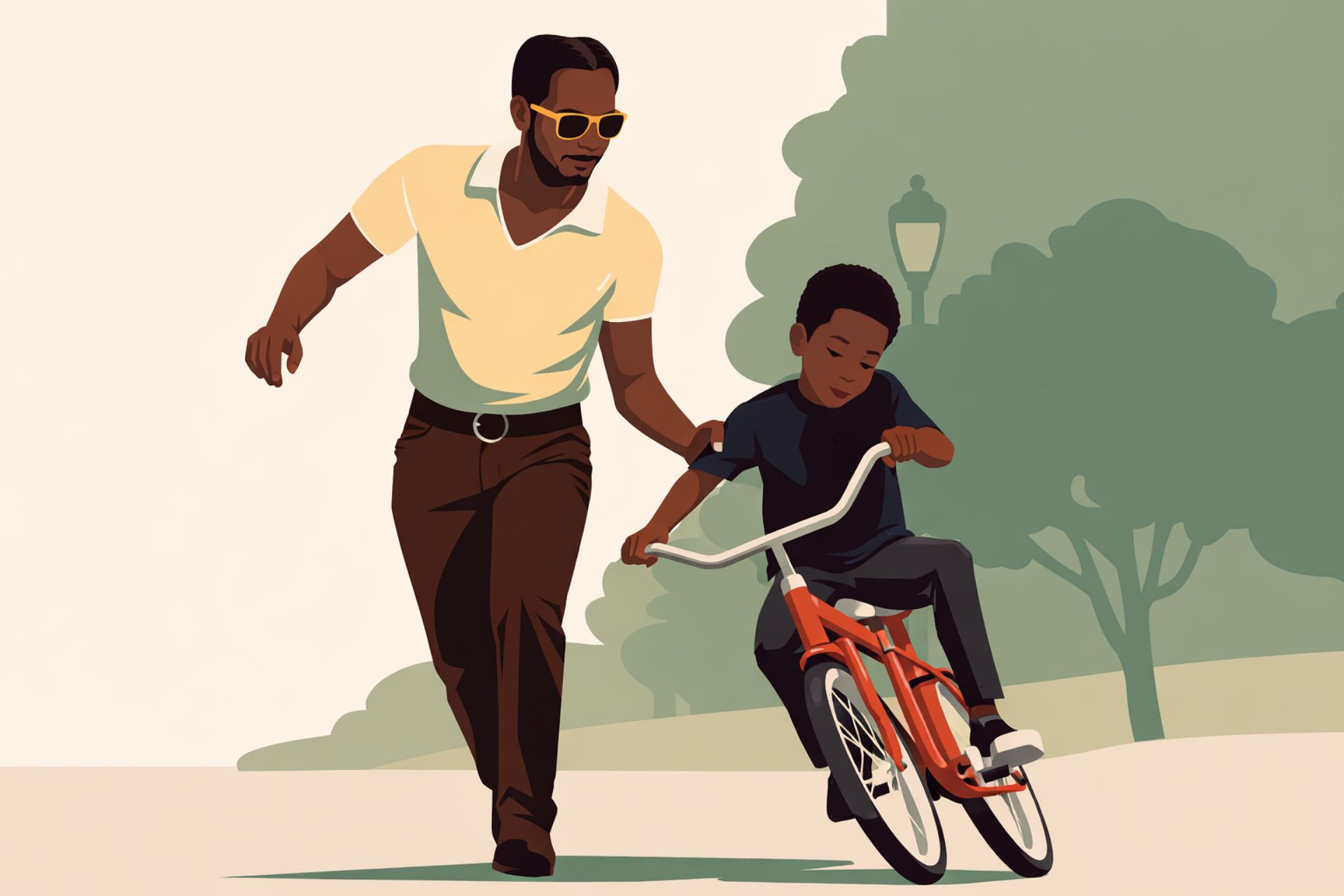
The parable of the Prodigal Son appears in the Gospel of Luke. It was told by Jesus to a mixed crowd that included everyday people and religious leaders who were suspicious of the company he kept. At its simplest, the story begins with a father and his two sons. The younger son approaches his father with a request that would have been shocking in the ancient world. He asks for his share of the inheritance early, which was another way of saying that he wished his father were already gone. The father grants the request, divides his estate, and allows the son to leave with everything that rightfully should not have been his until much later.
The younger son heads off to a distant country and blows the lot. Eventually, the money runs out, a famine hits, and he’s left with absolutely nothing. Things get so bad that he ends up feeding pigs, which, for a Jewish audience in Jesus’ day, was about as humiliating as it got. Hungry and desperate, he finally decides to head home. He’s even worked out what he’s going to say to his father. He knows he’s made a mess of things, and he’s certainly not expecting to be welcomed back with open arms. At this point, he’d be happy just to get a job on the family property, earn a wage, and have something decent to eat.
As he’s making his way home, his father spots him in the distance. And what does he do? He runs. Before the son can even get through the apology he’s been practicing, his dad has his arms around him. Then come the instructions to the servants. Get him some decent clothes, put a ring on his finger, find him some sandals, and while you’re at it, let’s organize a party. It’s an extraordinary response, really. The kid has blown his inheritance, disgraced the family, and come crawling home with nothing to show for it. And his father couldn’t be happier to see him.
The older brother, though, isn’t happy. He’s spent years doing the right thing, and now his wayward brother gets a party? He refuses to join in. His father tries to reason with him, but Jesus leaves us guessing whether he ever went inside to join the celebrations.
That’s usually where we leave the Prodigal Son. The younger brother is back, the father’s throwing a party, and the older brother is sulking outside. But I’ve often wondered what happened once the celebrations were over and everyone had to get on with living together again.
To me, this is where the story becomes much more interesting.
The Morning After
In my mind, the next morning is quiet. The kind of quiet that comes after a house has held too much emotion for too many hours. The fire from the night before is nothing but grey dust. The last of the food sits uncovered on a wooden bench. A robe hangs over the back of a chair where someone dropped it without thinking.
The younger son is the first one awake.
He walks slowly to the kitchen. He expects to feel out of place, but what catches him off guard is how familiar everything is. The table he once sat at. The cup he drank from as a child. The sunlight coming through the window in the same pattern as it always did. He stands there for a moment, unsure whether he is a guest, a son, an intruder, or something in between.
One of the servants acknowledges him with a nod. He nods back, still unsure how to behave around people who’d known him before he left. Eventually, he pulls out a chair at the end of the table and sits down, wondering what he’s supposed to do next.
The older brother comes in a few minutes later. He sees his brother at the table and ignores him. He gets himself some bread, pours a drink and sits down. He’s still fuming about last night. After all, he’s the one who’s been keeping the family business running while his little brother was off wasting his inheritance. And apparently, all you have to do to get a party around here has disappeared for a few years and come back broke.
Their father comes in last, looking a little worse for wear after the previous night’s celebrations. He greets the servants, gives his youngest son a reassuring pat on the shoulder, and takes his place at the table. He can tell his eldest is still upset, but he’s not quite sure what to say. Yesterday he’d been overjoyed to have his son back. This morning, he’s got two sons who can barely look at each other.
Nobody says much. The younger brother can tell his older brother is still angry, and he’s not particularly keen to make things worse. Eventually, he decides someone has to say something.
“What do you need me to do today?”
It’s a small question, but an important one. He’s back home now, and presumably he wants to pull his weight. He knows he’s got some making up to do, although where on earth do you start after something like that?
The older brother looks up from his breakfast. He’s tempted to tell him exactly what he thinks he should do, starting with paying back every cent he’s wasted. But he keeps his mouth shut. He can see his younger brother is nervous enough already.
Their father looks from one son to the other. He’d probably hoped that bringing his youngest home would be the end of his worries. Instead, he’s got a rather awkward family situation to sort out, and he hasn’t got a clue where to begin.
“Let’s have breakfast first,” he says. “We can work out the rest later.”
And so they eat. The older brother still isn’t happy, the younger brother doesn’t quite know where he stands, and their father is probably wondering how long it’ll be before the two of them can have a normal conversation again.
When You Are the One Who Stayed
The older brother steps into the kitchen on the morning after the party and faces the same question many of us face in real life. What do you do when someone else is forgiven for something you would never be forgiven for? What do you do when you have carried a family, a workplace, a marriage, a ministry, or a community on your back, and the only person applauded is the one who almost broke it? What do you do when you have spent your whole life trying to be good, dependable, and faithful, and suddenly you realize that goodness has never guaranteed you the security you thought it did?
I’ve always thought the older brother gets a raw deal. We tend to criticize him for being resentful, but seriously, what did his father expect? Maybe he needed a bit of time to get used to having his brother back. Maybe he had some things he wanted to get off his chest. I don’t think that’s unreasonable, and I certainly don’t think it makes him a bad person.
So where does the older brother go from here? I suppose he could spend the next twenty years reminding everyone what his brother did. Some families are like that. An argument from decades ago gets dragged out at Christmas lunch, and before you know it, everyone’s back fighting over something that happened when they were teenagers. The older brother could easily go down that road, and I suspect he’d find plenty of reasons to justify it.
Alternatively, he could just keep his distance. Turn up for meals, say as little as possible, and find excuses to be elsewhere whenever his brother is around. I imagine plenty of families operate like this. Everyone knows there’s a problem, but nobody wants to be the one to bring it up.
The other option is to try to make things work with his brother. He doesn’t have to be happy about what’s happened, and there’s no reason he shouldn’t say so. His father might have forgiven the younger son on the spot, but the older brother has his own feelings to work through. Whether he can get past them and have some sort of relationship with his brother again is something only he can decide.
I think we all have an “older brother” moment sooner or later. That uncomfortable experience of watching someone else get the recognition, forgiveness or generosity we wish had come our way. And sometimes, we’ve got good reason to feel aggrieved. Life isn’t particularly fair, and doing the right thing doesn’t guarantee that anyone will notice, much less appreciate it. The question is what we do with those feelings. We can spend years nursing our grievances, or we can find a way to be genuinely happy for someone else, even while we’re dealing with our own disappointment. I don’t think that’s easy. In fact, I suspect it’s one of the harder things we’re asked to do when it comes to loving people.
A Different Way to Come Home
I’ve often wondered what happened to those two brothers. Did they eventually sort things out? Did the older brother ever get over his resentment? Did the younger brother manage to earn back his trust? Jesus doesn’t tell us, although I suspect their relationship would have taken a fair bit longer to repair than the time it took their father to organize a party.
There’s something else about the story that I hadn’t really appreciated until recently. The father goes out to meet both sons. He runs down the road to embrace the younger one, and later, when his eldest refuses to come inside, he goes out to him as well. I wonder how many times I’ve heard this parable preached without anyone mentioning that.
Both sons matter to him. Even the one who’s angry and making things difficult.
I keep thinking about that morning at work when my colleague called me the prodigal son. It was an innocent enough joke, and I doubt he’s given it another thought. But it reminded me how little we sometimes know about what other people are going through. We see someone returning after an absence, or refusing to join the celebration, and we make up our minds about them without knowing much of their story.
I certainly wouldn’t want to be judged by my worst moments, and I doubt you would either.
Perhaps that’s why Jesus never tells us whether the older brother went inside. He leaves him standing there with his father, still angry, still loved, and still welcome at the table. I find that a much more interesting ending than one where everybody lives happily ever after.














Comments (0)
Facebook Comments (0)