
Taming Inordinate Ambition
 admin
Nov 24, 2026
1
0
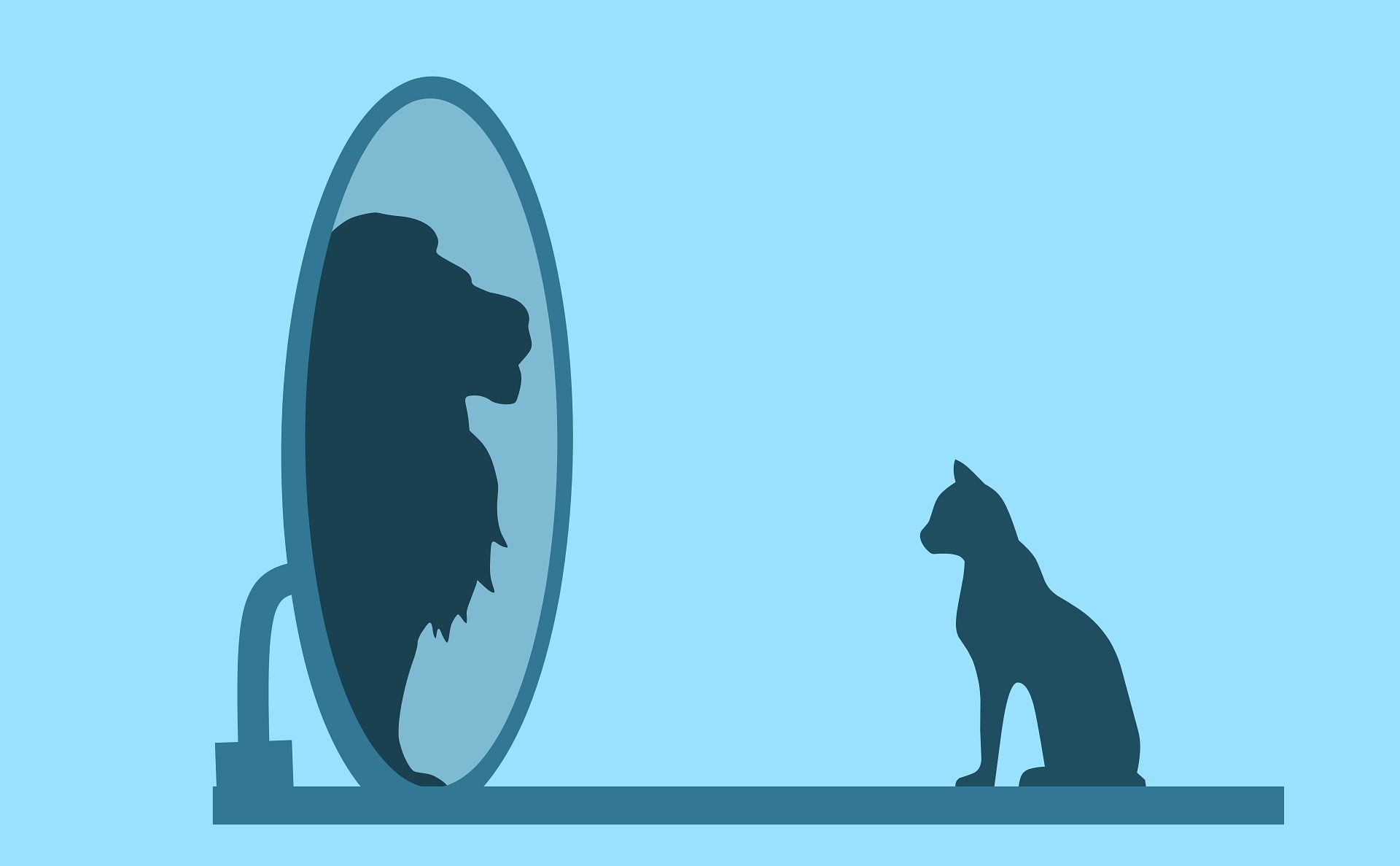
We all want something from life. Some want money, others want respect, love, comfort or freedom. These wishes are natural. The question is what we are willing to do to get them. Our choices affect more than our own lives. They affect families, strangers, communities and people who may never get a chance to speak for themselves.
Knowing When Our Desires Have Gone Too Far
There is a difference between wanting something and believing we have a right to get it at any cost. A person may work hard to earn money, but that does not give them the right to cheat customers or withhold wages. Someone may want a relationship, but that does not give them permission to pressure another person.
We understand these limits when someone violates our own rights. The difficulty comes when respecting those same limits requires us to give up an advantage. Personal interest can make an unfair decision look reasonable, especially when the person who suffers has little power to object.
I think this is one of the most important questions in human behavior: why do we expect fairness from others while making exceptions for ourselves? We want people to keep their promises, yet we sometimes break ours. We expect others to respect our privacy but may share their private information. We complain about dishonesty but may remain silent when a dishonest act benefits us.
Research in moral psychology examines this gap between moral beliefs and actual behavior. A large review of the field found that researchers have studied moral judgement, identity, emotions and behavior across many areas. Knowing what is right does not automatically mean we will do it.
Freedom also needs a clear understanding of consent. A person has control over their own body, choices and private life. That freedom does not include the right to threaten, exploit or force someone else. Sexual orientation is not a disease, and people should not be judged as harmful because of whom they love. The relevant questions are whether people act honestly, respect consent and avoid causing harm. The same standard should apply to everyone, regardless of gender, background or personal beliefs. A fair society protects people from abuse without treating differences between people as a reason for discrimination.
The Mind, Repeated Behavior and Self-Control
The brain learns from experience. When an action brings pleasure, relief or excitement, the reward system helps us remember it. This process supports ordinary activities such as eating, learning and forming relationships. It can also strengthen habits that are not good for us. A person may repeatedly check a phone, gamble, shop or watch online content even when the activity begins to affect sleep, work or family life. Dopamine plays a role in learning and motivation, but it is not simply a pleasure chemical. Human behavior involves several brain systems, personal experiences and environmental influences.
I have noticed how easily people underestimate the time they spend on digital platforms. They may open an app to answer one message and continue browsing long after the original task is finished. Online services often use personalized recommendations and frequent updates to hold attention. This does not mean every user loses control, or that all screen use is harmful.
The important question is whether a person can still decide when to stop. When a habit repeatedly interferes with daily duties, relationships or health, it deserves attention. Changing the routine, reducing triggers and setting clear limits can help. Human progress has a blind spot when convenience changes our behavior faster than our understanding.
The same care is needed when discussing pornography and sexual content. Some material presents intimacy in ways that can create unrealistic expectations about bodies, consent and relationships. Research has examined links between pornography use, relationship satisfaction and compulsive patterns, but findings are not simple enough to support one conclusion about every viewer. It is more useful to discuss specific behavior: whether someone feels unable to stop, whether the content affects their relationships, and whether it encourages disrespect or unrealistic expectations.
The aim should be to understand behavior and its consequences, not to shame people or make unsupported claims about human sexuality.
Self-control is not the absence of desire. It is the ability to make a decision without obeying every immediate feeling. A person can feel angry and still choose not to insult someone. They can feel attraction and still respect another person’s boundaries. Sometimes a good quality becomes a weakness when we use it in the wrong place.
They can want wealth and refuse dishonest methods of earning it. Research on self-control also suggests that people do not have to depend on willpower alone. They can plan ahead, change their surroundings and avoid situations that repeatedly lead them towards unwanted behavior. These practical steps can make responsible choices easier.
Justice, Money and the Rights of Other People
Fairness should not change according to a person’s wealth, family connections or social position. If a worker has completed the agreed work, they deserve the agreed payment. If a customer pays for a product, they deserve an honest description and the correct quantity.
If two people make an agreement, both should understand its terms. These may sound like basic rules, but financial pressure and personal gain often lead people to ignore them. The person who benefits may call it a business decision. The person who loses money may experience a serious problem that affects their whole household.
The decisions we make in our everyday lives can have a much greater human cost than we realize.
The same standard applies when we deal with people we dislike. It is easy to be fair to friends and family. It is harder when the other person has different beliefs, comes from another community or has treated us badly. Yet justice cannot depend on personal affection.
A decision should be based on facts and the rights of the people involved. If someone has made a mistake, they should be held responsible through a fair process. Their mistake does not give others permission to lie about them, take revenge against their family or deny them basic rights.
Money also brings responsibilities towards people who are in a weaker position. A person in debt may need more time to repay what they owe. A child may need protection because they cannot defend their own interests. An elderly parent may depend on family members for care.
A worker may be afraid to report mistreatment because they cannot afford to lose their job. These situations require more than sympathy. They require decisions that protect people’s dignity and prevent others from using their weakness for personal gain. Helping someone should never become an excuse to humiliate or control them.
The Responsibility Behind Our Words and Private Actions
Words can affect a person’s life long after a conversation has ended. An accusation shared without checking the facts can damage someone’s reputation. A private message passed to others can destroy trust. A false story can influence decisions at work, in a family or within a community.
Social media has made it easy to share information quickly, but speed does not make information reliable. Before repeating a claim, we should check where it came from and whether there is evidence to support it. If we cannot establish that it is true, we should be careful about presenting it as fact.
I believe we also need to examine how we speak when we are angry. People sometimes use insults because they cannot answer an argument. Others make jokes about someone’s appearance, income, disability or family background. They may defend this behavior by saying that the other person is too sensitive.
But the intention to entertain does not remove the effect of humiliation. We can disagree strongly without attacking someone’s dignity. We can point out wrongdoing without inventing details. Honest criticism has value; public cruelty does not become acceptable simply because it attracts attention. Public opinion can quietly influence the way we think, speak and behave.
Private behavior matters because it affects the kind of habits we develop. A person may appear polite in public but speak harshly to family members. Someone may speak about honesty while hiding important information from a business partner. Another may demand respect while refusing to listen to anyone else.
I often ask myself whether the standards I expect from others are the same standards I follow when nobody is checking my actions. This is not about pretending to be perfect.
It is about being willing to notice our own mistakes instead of spending all our time finding faults in other people.
What We Leave for Other People to Deal With
Environmental damage is a matter of public responsibility, not just personal preference. Pollution can affect people who have no control over the activity that caused it. Unsafe water can harm communities far from the source of contamination. Poor air quality can affect children, older people and those with existing health problems.
Scientific research has established serious links between environmental pollution and human health. This means businesses and public authorities have duties that cannot be passed entirely to individuals.
They need proper standards, reliable monitoring and honest reporting of the damage their activities may cause.
The way we use resources also deserves attention. Food, water, energy and land are necessary for human life, yet waste remains common. There is nothing wrong with earning money or enjoying comfort. The concern is using more than we need while ignoring the needs and rights of others.
A business should consider its workers and the communities affected by its operations. A household can make sensible choices about waste and spending. Public institutions should make sure that access to essential resources is not denied through corruption or unfair treatment. Responsibility has to exist at every level.
Our duties do not end with people who can repay us. A person may help a neighbour without expecting a favour in return. Parents may care for children who cannot yet understand the effort involved. Adult children may support ageing parents who once supported them.
A community may protect people who are poor, isolated or unable to defend themselves. These actions may not bring money or public recognition. Their value lies in the fact that another person’s life becomes safer or more secure because someone chose to act responsibly.
I come back to one question when I think about the purpose of a good life: what have our decisions meant for the people who had to live with them? Education, income and professional success can improve a person’s position, but they do not tell the whole story. The world does not always give us the explanations we want, but our responsibilities towards one another remain.
We also need to look at how someone treated workers, kept promises, handled money and responded when they had more power than another person. A person will make mistakes. What matters is whether they admit the truth, repair what they can and make a real effort not to repeat the same behaviour.
The choices we make are not private in their effects. They influence families, workplaces, communities and the natural world. We may not be able to control every result, but we can take responsibility for what we knowingly do. A good life does not require us to give up every desire.
It asks us to recognise that other people have rights too. Before acting, we can ask whether our decision is honest, whether it is fair and whether someone else will suffer because of it. That is a standard worth applying to ourselves, not just to the people around us.











Comments (0)
Facebook Comments (0)